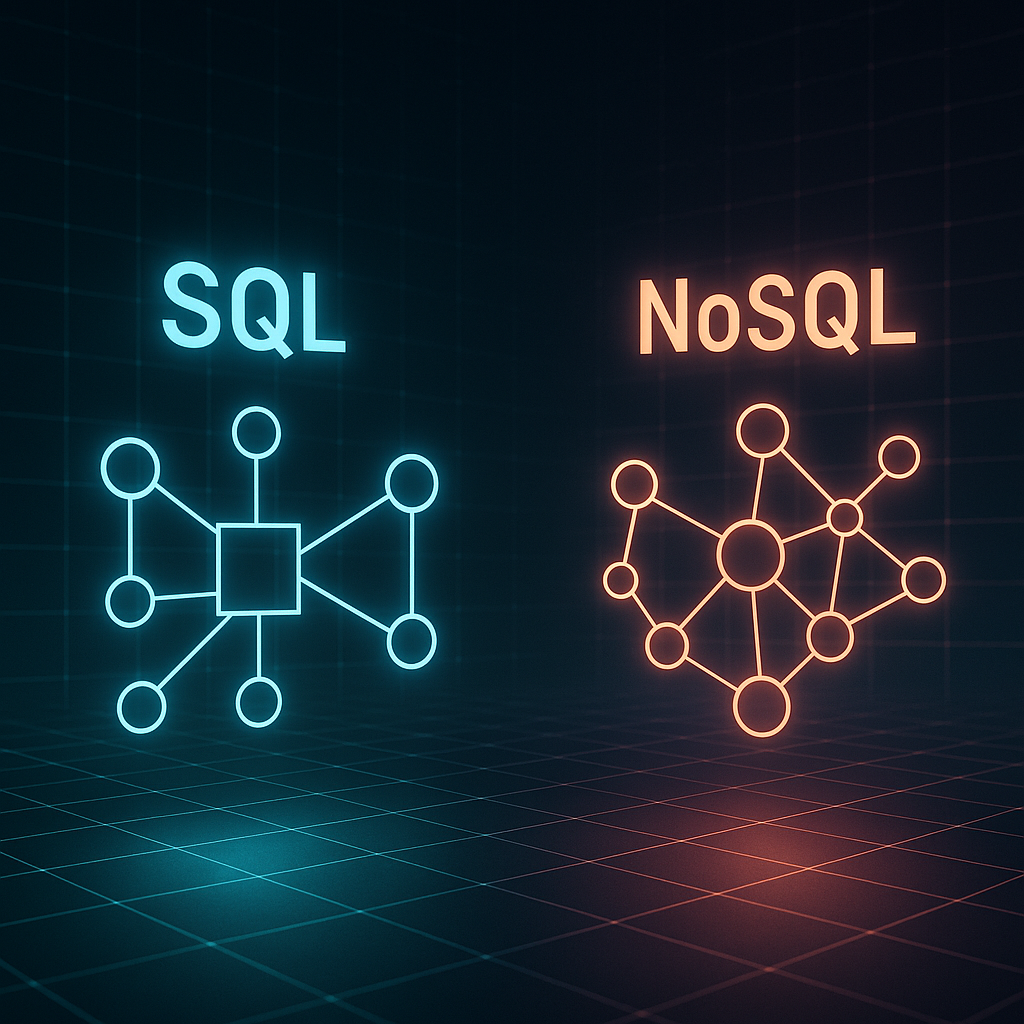

SQL Vs NoSQL: When to Choose Which Database?
In today’s data-driven world, choosing the right database can significantly impact your application’s performance and scalability. When it comes to databases, SQL (Structured Query Language) and NoSQL (Not Only SQL) each have distinct strengths and use cases. In this article, we’ll explore when to choose SQL over NoSQL, and vice versa, supported by real-world scenarios and sample queries that illuminate key differences.
1. Structured Data vs. Unstructured Data
One of the primary differences between SQL and NoSQL is how they handle data structure. SQL databases are relational, meaning they excel at managing structured data. They’re ideal for applications requiring complex querying and transactions. Conversely, NoSQL databases handle unstructured or semi-structured data, providing flexibility in systems with evolving data models.
SQL Example: Consider a banking system where data needs to be consistent and structured. You define your schema and can write complex queries to handle transactions.
CREATE TABLE Accounts ( AccountID INT PRIMARY KEY, AccountHolderName VARCHAR(100), Balance DECIMAL(15, 2) );NoSQL Example: A social media platform where the data structure is flexible, and you store documents containing user posts, likes, and attachments.
{ "UserId": "12345", "Posts": [ { "PostId": "001", "Content": "Hello World!", "Likes": 200 } ] }2. Scalability Requirements
SQL databases are typically vertically scalable. You increase the load on a single server by adding more resources. NoSQL databases, designed with distributed systems in mind, provide horizontal scalability, allowing you to spread the load across multiple servers.
SQL Scaling: With increased demand, you might upgrade your hardware configuration for better performance.
NoSQL Scaling: MongoDB, for example, allows horizontal scaling using sharding, which is splitting data across servers automatically.
db.createShard({ name: "shard1", host: "server1:27017" })3. Transaction Management
ACID (Atomicity, Consistency, Isolation, Durability) compliance is essential for applications like financial systems requiring strict transaction management. SQL databases are designed following the ACID principles.
SQL Transaction Example:
BEGIN TRANSACTION; UPDATE Accounts SET Balance = Balance - 100 WHERE AccountID = 1; UPDATE Accounts SET Balance = Balance + 100 WHERE AccountID = 2; COMMIT;NoSQL databases, on the other hand, offer BASE (Basically Available, Soft state, Eventually consistent) principles, which are more relaxed and cater to applications where availability is essential over consistency.
4. Query Patterns
SQL databases feature robust query capabilities with complex joins, indexing, and reporting tools. They are suited for analytical applications and those needing sophisticated querying (e.g., reports, dashboards).
SQL Reporting Example:
SELECT AccountHolderName, SUM(Balance) as TotalBalance FROM Accounts GROUP BY AccountHolderName ORDER BY TotalBalance DESC;NoSQL databases vary in their querying capabilities; for document-based databases like MongoDB, queries resemble JSON-Style.
db.users.find({ "status": "active" }, { "name": 1, "email": 1 })5. Use Cases and Performance Considerations
Certain applications warrant SQL’s structured approach, like enterprise systems (ERPs, CRMs) needing transaction support and structured querying. Meanwhile, NoSQL databases are better suited for applications with varied data structures and those requiring high write and read processes, such as IoT solutions or real-time analytics platforms.
Performance Tip: Optimize SQL performance with indexing strategies while using document or key-value stores to enhance NoSQL performance based on access patterns.
Ultimately, the decision between SQL and NoSQL should be influenced by your specific application requirements, data structure, scalability needs, and transaction support. By understanding the strengths and appropriate use cases for each, you can make informed development decisions bringing greater performance and flexibility to your application.
Useful links: